
 翻译
翻译
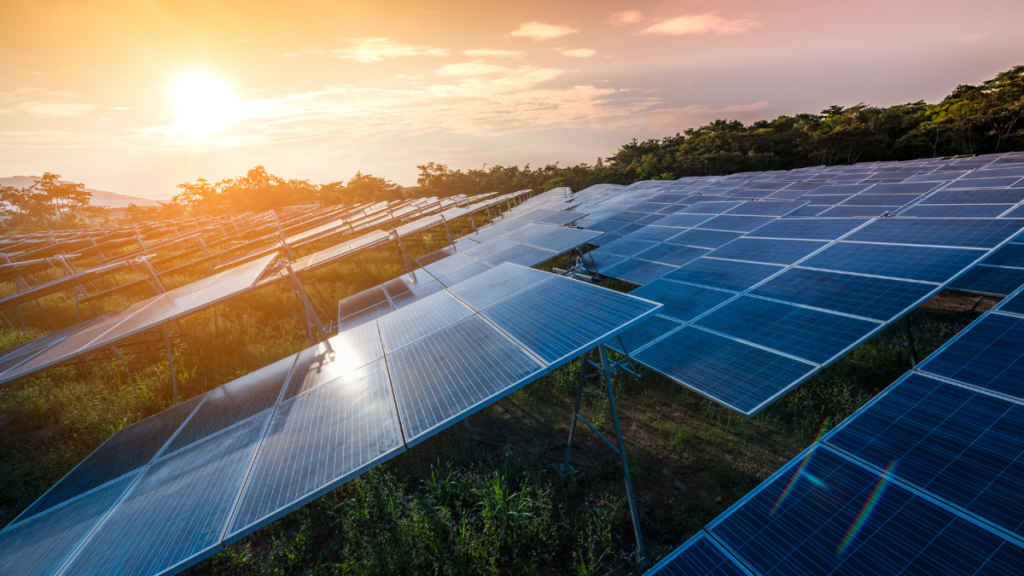
Malaysia’s renewable energy sector is entering a new phase of accelerated growth, driven by the upcoming Large Scale Solar 6 (LSS6) programme and the continued expansion of the Corporate Renewable Energy Supply Scheme (CRESS).
According to market insights, the government is expected to launch the LSS6 tender in early 2026, potentially unlocking up to 2GW of new solar capacity and generating approximately RM6 billion in construction-related economic activity. Notably, LSS6 is anticipated to incorporate battery storage requirements, reflecting Malaysia’s increasing focus on integrating energy storage solutions into its power system. Project returns are estimated to range between 8% and 10%, offering attractive opportunities for developers and investors.
At the same time, the rapid growth of Malaysia’s data centre sector is significantly increasing electricity demand. National utility Tenaga Nasional Berhad (TNB) has reportedly secured agreements for 49 data centre projects, with total power demand potentially reaching 7GW.
To address this demand, the CRESS framework—introduced in 2024—continues to gain traction by enabling large-scale consumers to procure renewable energy directly from developers. As of mid-2025, committed capacity under CRESS has reached approximately 1.3GW, indicating strong market adoption.
In parallel, policy support in the commercial and industrial segment is strengthening. The Solar Accelerated Transition Action Programme (Solar ATAP), which opened for applications in January 2026, is expected to further drive distributed solar deployment.
Overall, the convergence of utility-scale solar tenders, corporate green power procurement mechanisms, and rising power demand—particularly from digital infrastructure—positions Malaysia as a key emerging market for renewable energy and energy storage development in Southeast Asia.