
 翻译
翻译
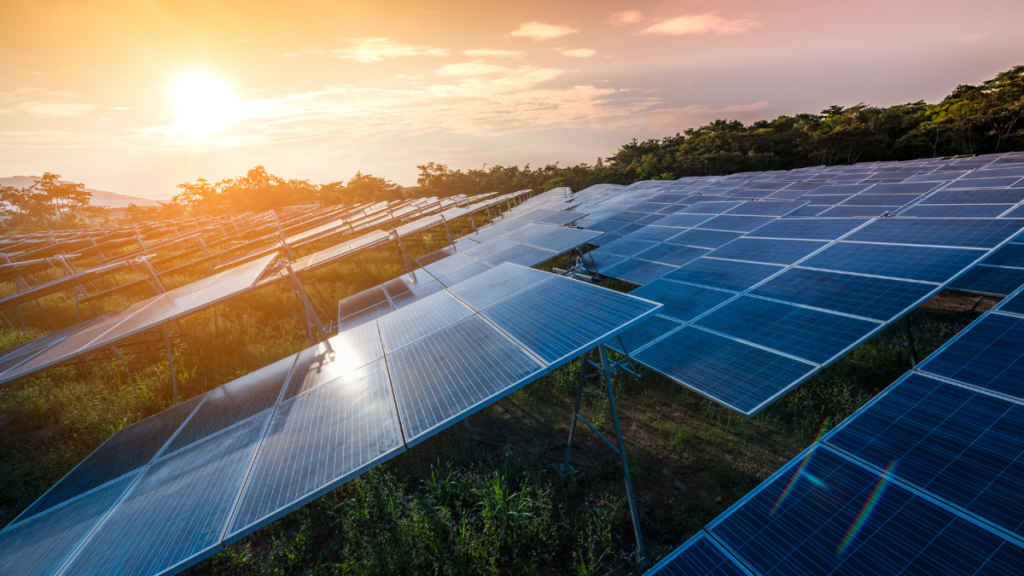
The Energy Commission of Sabah (ECoS) has officially released the LSS Sabah 2026 and BESS Sabah 2026 bidding programme, marking a significant step forward in the state’s renewable energy development.
Unlike previous solar-focused initiatives, this programme incorporates utility-scale energy storage (BESS) as a core component, signalling Sabah’s transition toward a more resilient and system-integrated power system.
A Three-Track Framework for Market Segmentation
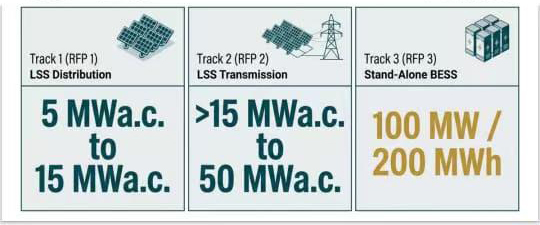
Source: ECoS Sabah 2026 RFP Briefing Materials
Overview of the Programme Structure
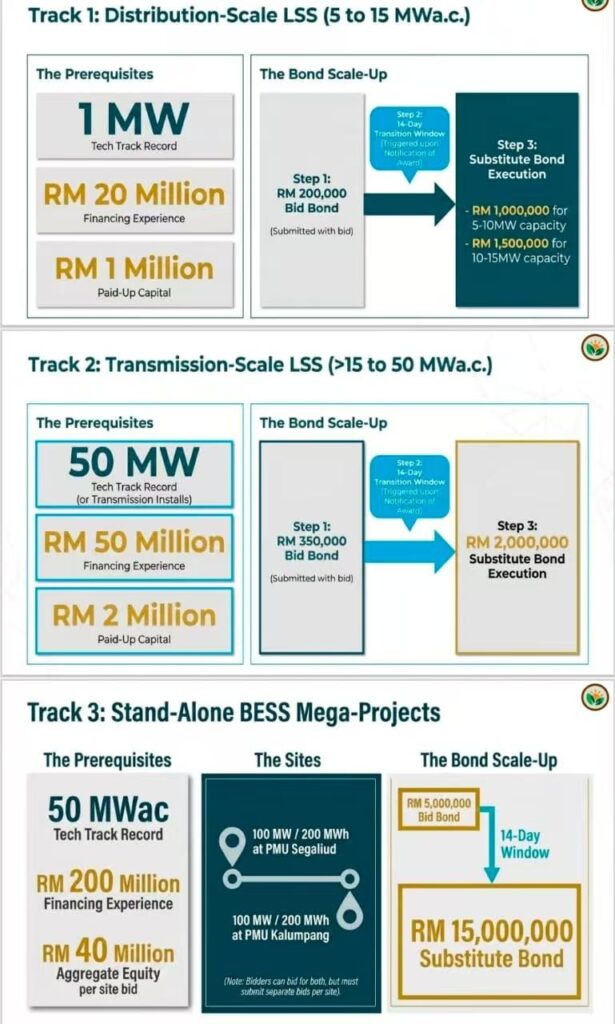
The programme is structured into three distinct tracks:
- Track 1 (RFP1): 5–15 MW distribution-scale LSS
- Track 2 (RFP2): >15–50 MW transmission-scale LSS
- Track 3 (RFP3): Standalone BESS (100MW / 200MWh per site)
This tiered structure enables participation across different project scales while maintaining differentiated qualification thresholds.
Detailed Requirements and Qualification Structure
The detailed technical, financial, and bond requirements are illustrated below:
Source: ECoS Sabah 2026 RFP Briefing Materials
Clearly Defined Timeline and Critical Milestones
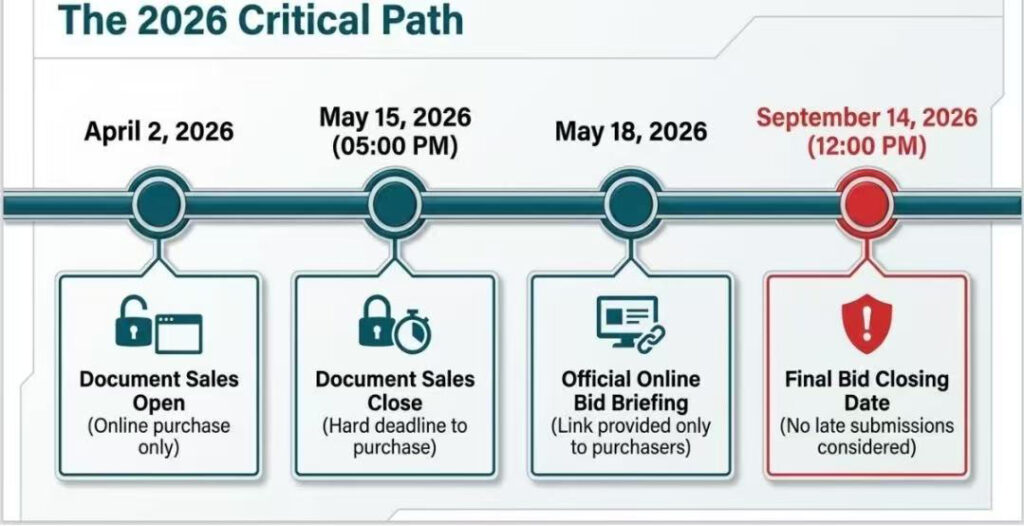
The programme follows a structured and time-bound bidding process:
- 2 April 2026: Document sales open
- 15 May 2026: Document sales close
- 18 May 2026: Official briefing
- 14 September 2026: Final submission deadline
Source: ECoS Sabah 2026 RFP Briefing Materials
Elevated Technical and Financial Qualification Requirements
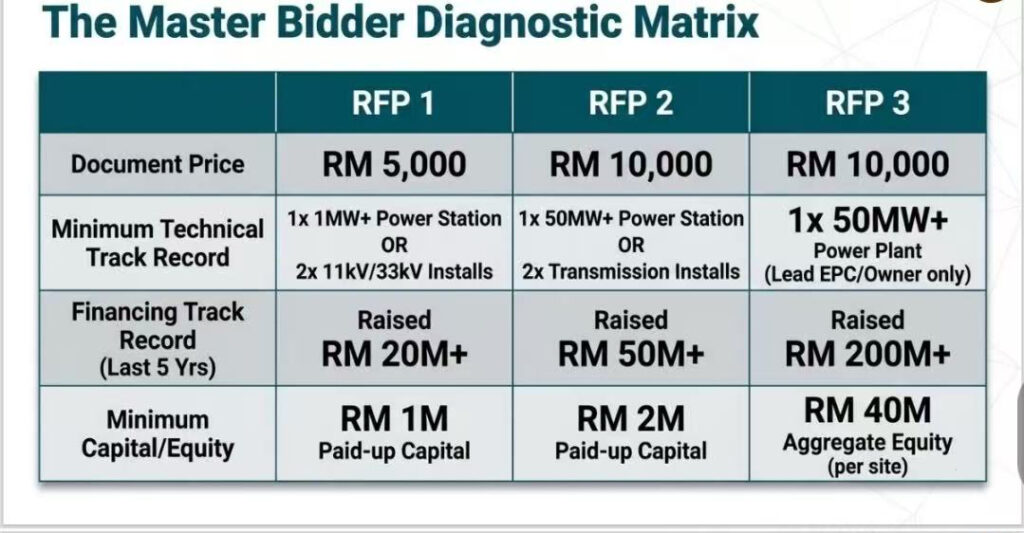
Compared to previous rounds, the 2026 programme introduces significantly higher entry barriers:
- Technical experience up to 50MW+
- Financing track record up to RM200 million
- Equity requirement up to RM40 million (BESS)
Source: ECoS Sabah 2026 RFP Briefing Materials
Localisation as a Core Requirement
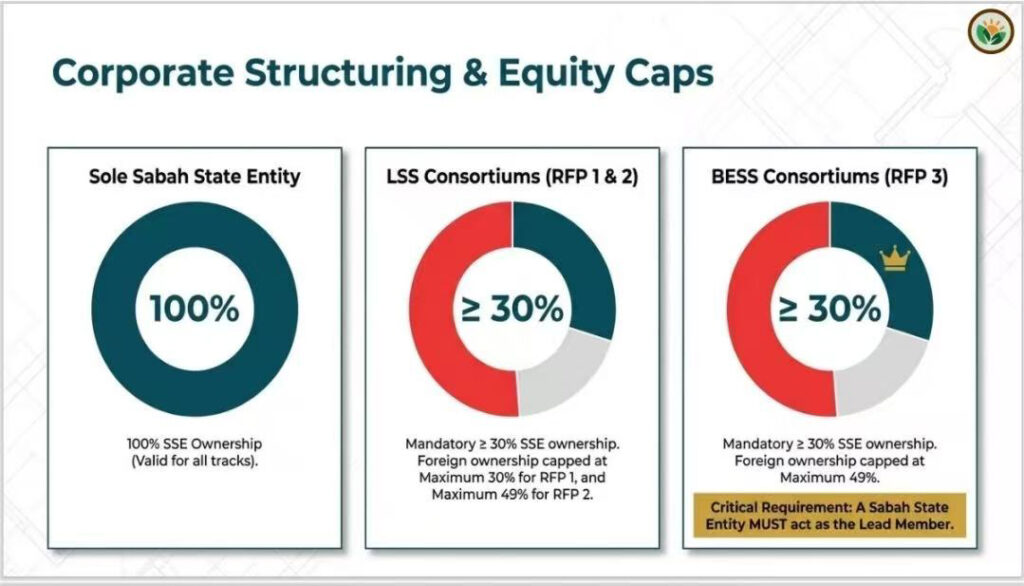
A key feature of the programme is the mandatory participation of Sabah State Entities (SSE):
- Minimum 30% local ownership
- Foreign ownership caps
- Sabah entity must act as lead (BESS)
Source: ECoS Sabah 2026 RFP Briefing Materials
Universal Requirements and Local Content
All bidders must comply with:
- MOF No-Objection Letter
- Land and grid readiness
- Long-term PPA
- Minimum 20% local content
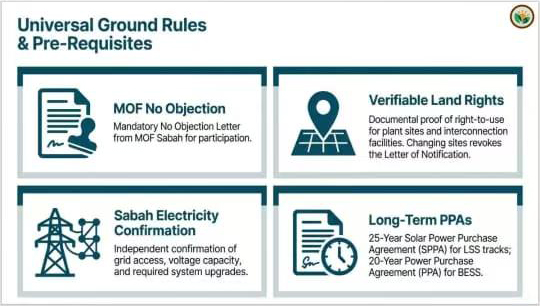
Source: ECoS Sabah 2026 RFP Briefing Materials
Energy Storage at the Core of the System
The inclusion of BESS (200MW / 400MWh total) marks a major shift:
Energy storage is no longer optional —
it is becoming core infrastructure for grid stability and renewable integration.
Strategic Implications
The programme signals:
- Transition to system-level energy planning
- Storage as a central pillar
- Higher market entry barriers
- Strong localisation policy
Conclusion
The Sabah 2026 LSS and BESS programme represents a structural shift toward a more integrated and resilient energy system in Southeast Asia.