
 翻译
翻译
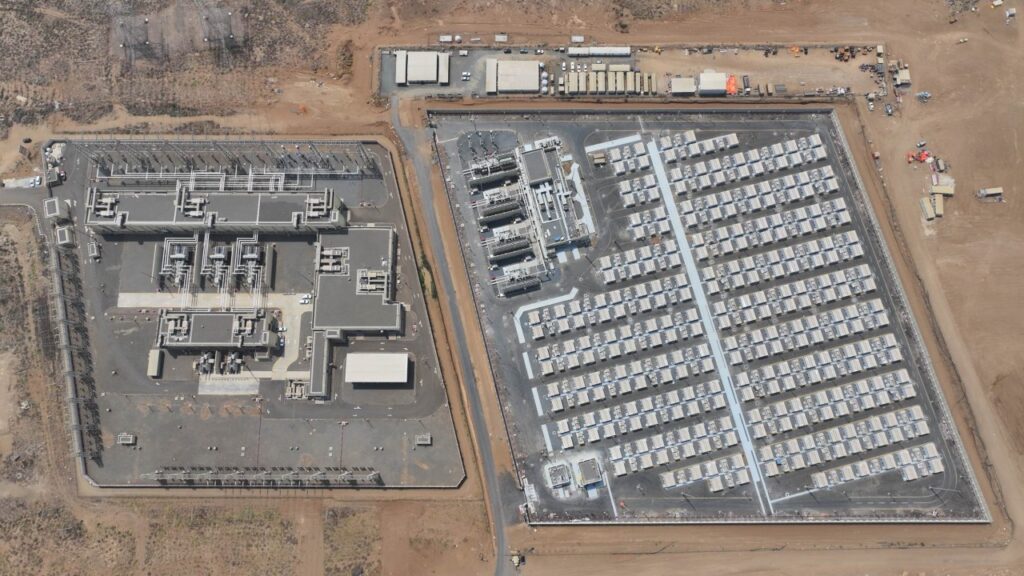
Saudi Arabia’s latest battery energy storage procurement programme shows how quickly global storage markets are scaling.
The Saudi Power Procurement Company has launched the qualification process for six battery energy storage projects with a combined capacity of 3GW / 12GWh. Each project is expected to have a capacity of 500MW / 2,000MWh, making the programme one of the largest storage procurement rounds currently underway globally.
The scale of the programme is significant.
Only a few years ago, battery storage projects were often measured in tens or hundreds of megawatt-hours. Today, leading markets are procuring multi-gigawatt-hour portfolios as part of national energy transition strategies.
Saudi Arabia’s programme reflects a broader global trend.
As countries increase solar and wind deployment, power systems require greater flexibility. Battery energy storage can help shift renewable generation, support grid stability and reduce reliance on conventional reserve capacity.
In Saudi Arabia’s case, large-scale storage is closely linked to its renewable energy expansion under Vision 2030. The country is developing major solar projects and requires storage to support system balancing and reliability.
The commercial structure is also important.
The projects are expected to be developed under a build-own-operate model, with long-term storage service agreements. This type of framework can help attract private investment by providing greater revenue visibility and clearer risk allocation.
For Malaysia, Saudi Arabia’s programme provides several useful lessons.
First, storage deployment can scale very quickly once procurement frameworks become clear. Markets that create bankable project structures are more likely to attract strong competition from global developers, technology providers and financiers.
Second, storage should be planned as part of the wider power system. The value of batteries depends on where they are located, how they are dispatched and which grid services they provide.
Third, long-term contracting can play a major role in early-stage market development. In emerging storage markets, revenue certainty is often necessary to unlock project financing.
Fourth, global competition for battery technologies and project expertise is intensifying. As more countries launch large tenders, technology providers will increasingly prioritise markets with clear rules and strong project pipelines.
Malaysia is at an earlier stage of storage deployment, but the direction is similar.
Programmes such as MyBESS, Sabah BESS and storage-linked solar procurement suggest that Malaysia is beginning to establish its own storage market architecture.
The global scale-up also has supply chain implications.
Large international tenders can influence battery availability, pricing, technology selection and financing expectations. Malaysian developers and policymakers will need to monitor these global trends closely.
Saudi Arabia’s 12GWh programme demonstrates that battery storage is no longer a niche technology. It is becoming a central part of national energy infrastructure planning.
For Southeast Asia, including Malaysia, the message is clear: the storage market is moving faster and at larger scale than many expected.
Countries that build clear procurement frameworks, technical standards and investment confidence early will be better positioned to benefit from the next wave of global energy storage deployment.
For a closer look at how these procurement mechanics play out in practice, Energy & Pulse’s analysis of Brazil’s recent battery storage auction breaks down why the headline gigawatt figures rarely match the capacity that actually gets contracted.